
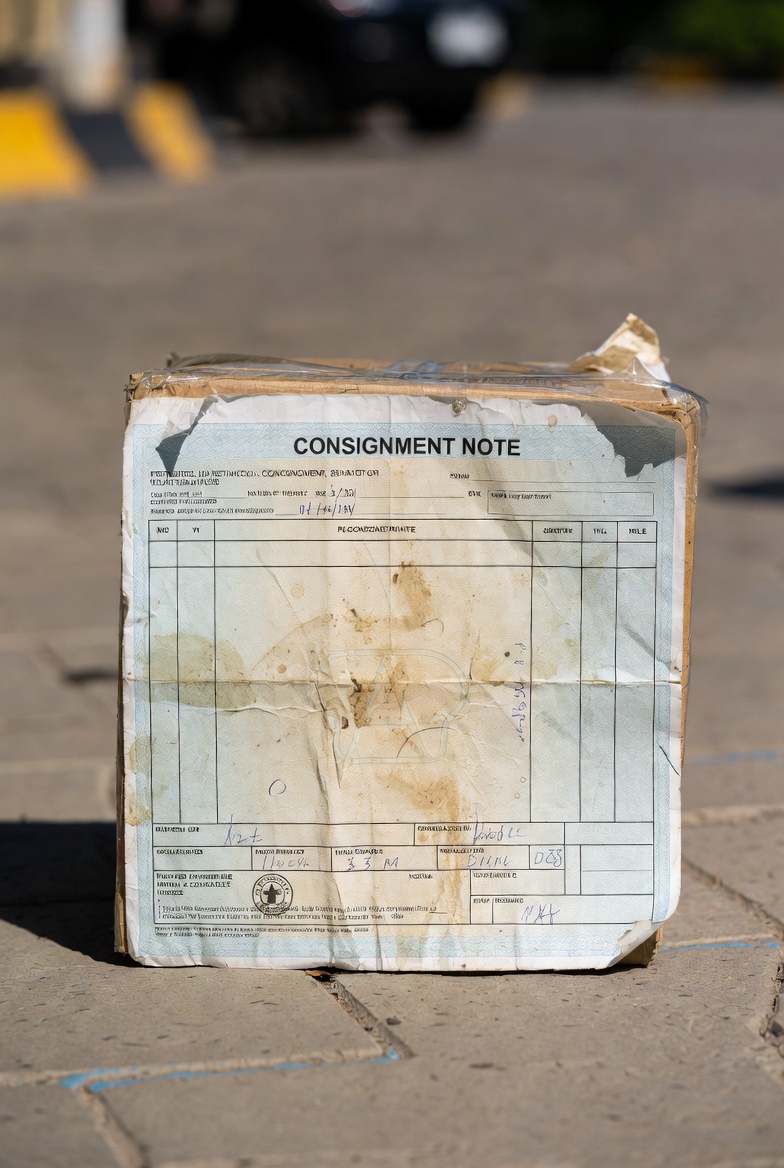
It happens more often than you'd think. You pull a parcel out of the van and the label is torn, water-damaged, smudged beyond recognition, or missing entirely. You can see half an address — maybe a street name but no number, or a suburb but no street. Your scanner won't read the barcode. Now what? Guessing is not the answer. A misdelivered parcel is worse than a delayed one, and it can trigger investigations that land on your desk.
Don't Guess the Address
This is the number one rule. If you can't read the full address clearly — house number, street, and suburb — do not attempt to deliver based on what you think it says. A delivery to the wrong address creates a chain of problems: the intended recipient doesn't get their parcel, someone else receives something they didn't order, and the investigation trail points back to you making a judgement call you shouldn't have made.
Parcels with damaged or unreadable labels should be handled through proper channels, not through guesswork. The Australian Postal Corporation standards sets out clear expectations for how postal and courier items should be handled when addressing is compromised.
What to Do Step by Step
1. Try the Barcode First
Even if the printed address is damaged, the barcode might still scan. Try scanning it from multiple angles — sometimes a partially damaged barcode will read if you tilt it or scan from the edge. If it scans, your system should show the delivery details including the full address.
2. Check for Secondary Labels
Many parcels have a secondary barcode or address label on a different side — particularly items from major online retailers. Check all sides and the bottom of the box. Also look for packing slips visible through clear sections of the packaging.
3. Contact Your Dispatcher
If you can't scan it and can't read it, call dispatch. Give them whatever information you can — partial address, sender details, parcel size and weight, any readable reference numbers. They can usually look it up in the system using the sender's consignment records and match it to an address.
4. Return It to the Depot
If nobody can identify the parcel, take it back to the depot and hand it to your supervisor. Scan it as undeliverable with the appropriate code (damaged label / unreadable address). The depot team has more resources to investigate — they can contact the sender, check weight manifests, and match it to outstanding orders.
Protect Yourself
Take a photo. Before you do anything, photograph the damaged label. This is your evidence that the label was unreadable. If questions come up later about why the parcel was returned or delayed, that photo proves it wasn't your fault.
Note the time. Record when you found the damaged label and when you reported it. A quick text to your supervisor with the photo attached creates a timestamped record.
Don't open the parcel. Never open a parcel to check the contents for identification. This creates liability issues and potential accusations of tampering. Even if you think a packing slip inside might have the address, leave it sealed and let the depot handle it.