
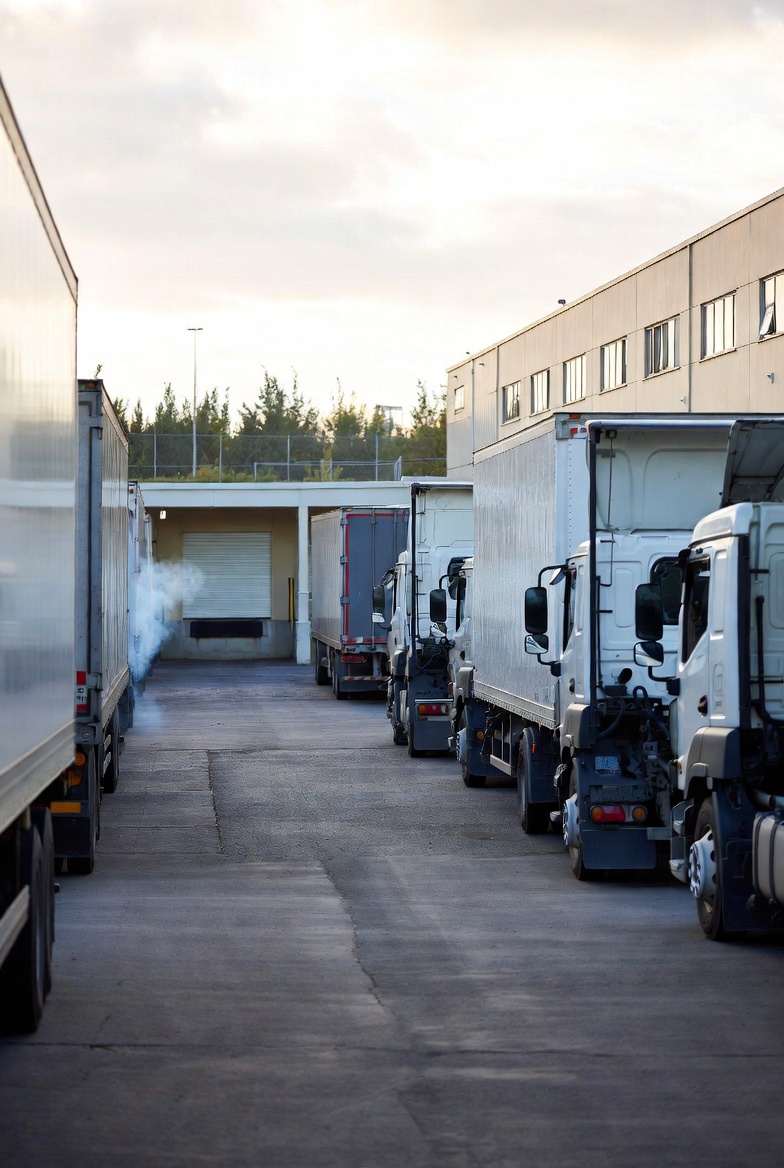
You pull up to a dock at 7:30am and there are already six trucks ahead of you. The receiving team is running slow, the forklift's broken down, and nobody can tell you when you'll get unloaded. Meanwhile, you've got 110 stops to deliver and the clock is ticking. Long dock queues are one of the most frustrating parts of courier work — and how you handle them can make or break your day.
Step 1: Go Inside and Check
Don't just sit in the queue hoping it moves. Get out of the van, walk into the receiving area, and ask. Find out what's causing the delay, how many vehicles are ahead of you, and roughly how long the wait will be. Sometimes there's a breakdown or a large delivery being processed — knowing the reason helps you make a decision.
While you're inside, check if there's an alternative unloading area or a smaller dock entrance you can use. Some warehouses have a separate area for courier vans vs full truck deliveries. If you're delivering parcels and not pallets, you might be able to hand-deliver directly to the receiving counter without waiting for a dock bay.
Step 2: Contact Your Supervisor
If the wait is going to be more than 20–30 minutes, call your supervisor or dispatcher. Let them know the situation — they may have advice, they may reroute you, or they may tell you to leave it for tomorrow. Either way, you've communicated the issue and you're covered.
This is important: don't just make the decision to skip a delivery without telling someone. If a customer complains that their freight didn't arrive and you didn't report the dock issue, it looks like you just didn't bother. A quick call protects you.
Step 3: Scan Appropriately
If you're leaving without delivering, scan the freight correctly. Most systems have a code for "unable to deliver — dock queue" or "business closed/inaccessible." Use the right code, not just a generic failed delivery scan. This creates a proper record and triggers the right follow-up process.
If you do wait and successfully deliver, make sure your delivery time is recorded accurately. Some drivers pre-scan before they've actually handed over the freight — don't do this. If there's a discrepancy between your scan time and the receiver's sign-off time, it creates problems.
Remember that extended waiting time also affects your fatigue. The National Heavy Vehicle Regulator fatigue management guidelines sets out clear guidelines on rest and driving hours. Time spent waiting at docks still counts as work time, even if you're not driving.
Planning Ahead
Know your problem docks. After a few weeks on the same run, you'll know which sites always have queues. Plan these stops strategically — hit them first thing when queues are shortest, or schedule them for mid-morning when the initial rush has cleared.
Book delivery windows. Some larger warehouses allow you to book a delivery time slot. If this is an option, use it. A booked slot means you drive straight in while everyone else waits.
Build buffer time. If you know a particular dock is unpredictable, don't schedule it right before a time-critical delivery. Give yourself flexibility in your route so one slow dock doesn't cascade into missed deadlines all afternoon.