
Every courier who works out of a depot shares space with forklifts — and most drivers don't give them a second thought until they nearly get hit by one. Forklifts are responsible for some of the most serious warehouse injuries in Australia every year, and as a delivery driver, you're often the most vulnerable person in the building. You're on foot, you're focused on your load, and the forklift operator might not see you. Here's how to protect yourself.
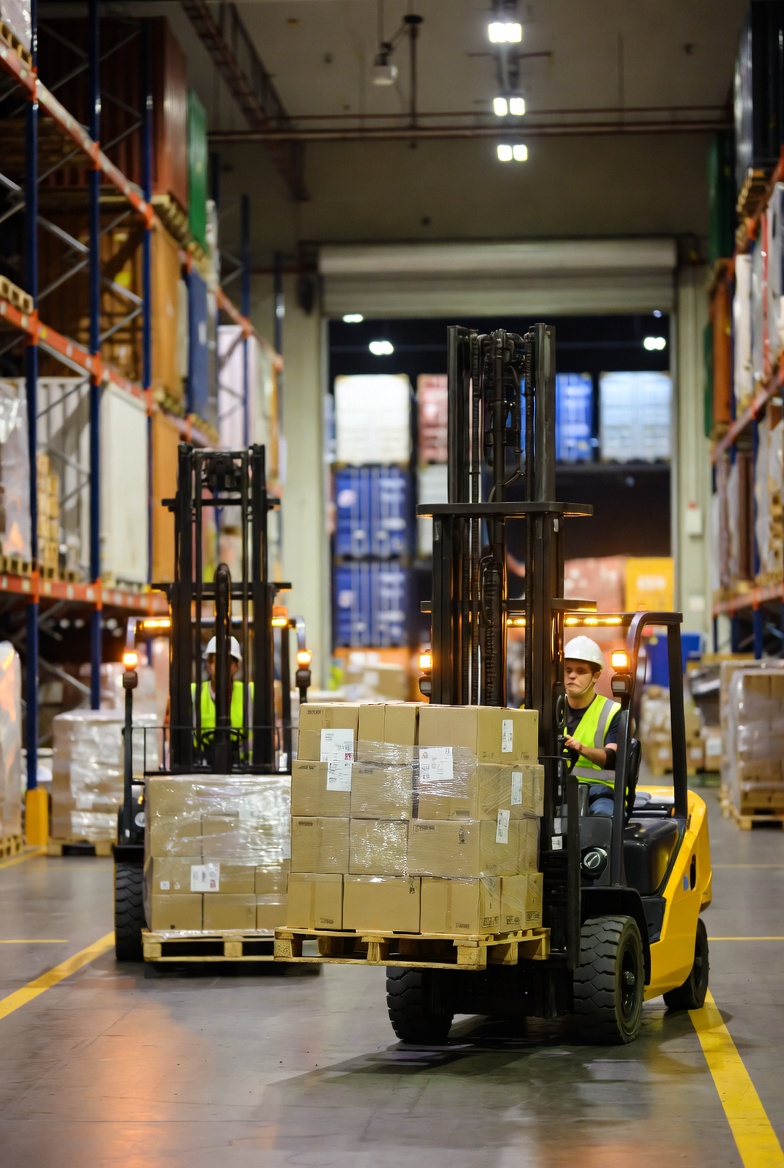
Why Forklifts Are More Dangerous Than You Think
A loaded forklift can weigh anywhere from 3,000 to 8,000 kilograms — that's heavier than most cars. They're quiet on smooth warehouse floors, they have limited rear visibility, and they can change direction without warning. When a forklift hits a pedestrian, the result is almost always catastrophic.
The morning rush is the most dangerous time. Everyone's loading at once, forklifts are moving pallets rapidly, drivers are walking between bays, and visibility is poor. This is when most near-misses happen. According to Safe Work Australia's transport and logistics guidelines, transport and logistics consistently ranks among the highest-risk industries for workplace injuries.
The problem is familiarity breeds complacency. After your hundredth morning at the depot, you stop noticing the forklifts. That's when accidents happen.
The Rules That Keep You Alive
1. Never Walk Behind a Reversing Forklift
This is the number one rule and the one most commonly broken. Forklift operators have almost zero rear visibility when carrying a load. If you're behind them, they cannot see you. Full stop. Wait for them to finish their manoeuvre before crossing behind.
2. Make Eye Contact Before Crossing
Before you walk across any forklift travel path, make eye contact with the operator. If you can't see their eyes, they can't see you. A quick wave or nod confirms you've been seen. Never assume they've noticed you just because you're standing there.
3. Use Designated Walkways
Most depots have painted pedestrian walkways. Use them — they exist for a reason. Cutting across the warehouse floor to save 10 seconds is not worth the risk. If your depot doesn't have marked walkways, raise it with your supervisor.
4. Never Stand Under Raised Forks
This sounds obvious, but it happens all the time — a driver stands near a forklift while it's placing a pallet, the load shifts, and suddenly there's 200kg of freight falling. Stay well clear of any forklift that has its forks raised, even if it looks stable.
5. Stay Visible
Wear your hi-vis at all times in the depot — not hanging off one shoulder, not tucked under your arm. Properly on. Early mornings in a dimly lit warehouse with dark clothing makes you practically invisible. If your company provides hi-vis, wear it. If they don't, get your own. A $15 vest is cheap insurance.
At Customer Sites
Depot safety is one thing, but customer premises can be even more unpredictable. You're walking into someone else's workplace where you don't know the layout, the traffic flow, or where the forklifts operate. Some warehouses you deliver to are chaotic — no marked paths, forklifts everywhere, and nobody directing traffic.
When you arrive at any site with forklift activity, take 10 seconds to assess: Where are the forklifts moving? Where's the pedestrian area? Is there someone directing you? If it feels unsafe, don't just walk in — ask the site contact where it's safe to go.
You have the right to refuse to enter any area you believe is unsafe. No delivery is worth a forklift injury. If you're ever pressured to enter an unsafe area, report it to your supervisor and document the site.