
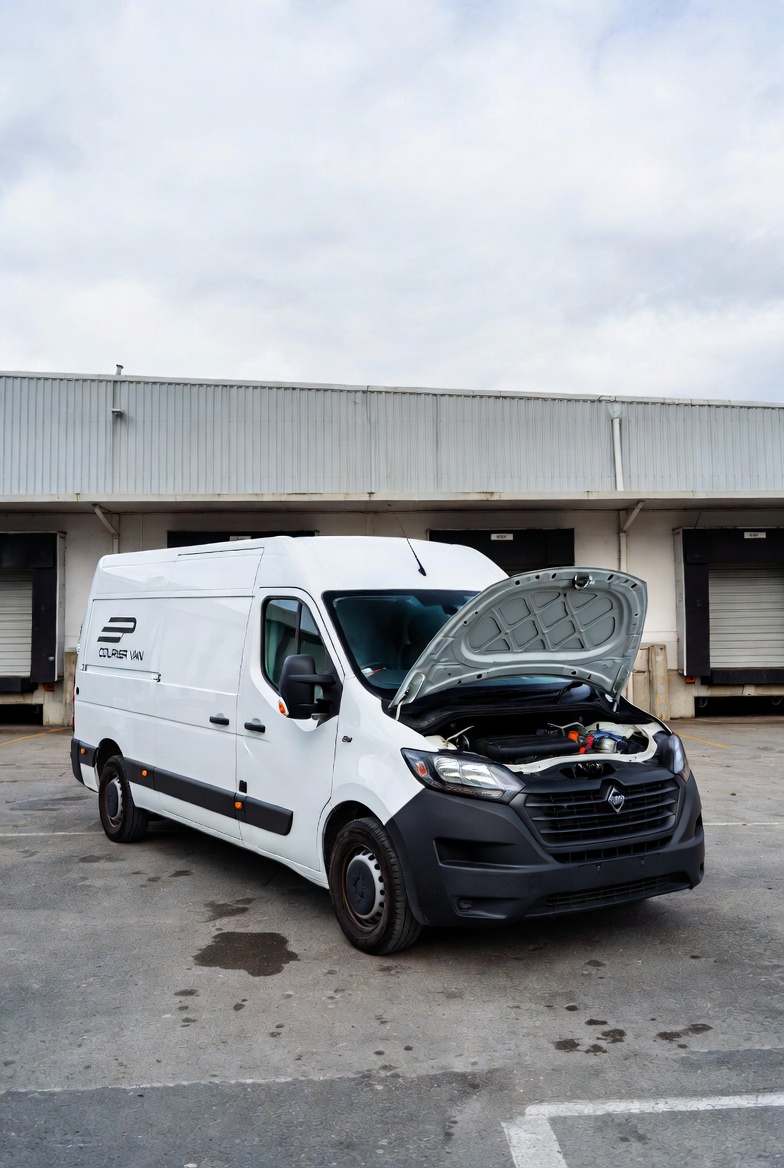
You don't need to be a mechanic to keep your van running. But you do need to know the basics — because a five-minute check once a week can prevent the kind of breakdown that costs you a day's pay, a tow truck bill, and a very uncomfortable conversation with your boss. Most van issues that strand drivers on the road are things that could have been caught with a quick look under the bonnet. Here's what to check and how.
Engine Oil
Engine oil is the lifeblood of your van. It lubricates, cools, and cleans the internal engine components. Running low on oil — or running on old, degraded oil — causes friction and heat that will destroy an engine faster than almost anything else.
How to check: Park on level ground, wait a few minutes after turning the engine off (so oil drains back to the sump). Pull the dipstick, wipe it clean, reinsert it fully, then pull it out again. The oil level should be between the two marks (min and max). If it's below the minimum, top it up before driving. For more detailed guidance on all vehicle fluid checks, see RACQ vehicle care guides.
What to look for: Fresh oil is amber/honey coloured. As it ages, it darkens. Very dark, gritty oil means it's overdue for a change. If the oil on the dipstick looks milky or has a white residue, that can indicate a head gasket issue — get it checked immediately.
Coolant
Coolant (also called antifreeze) stops your engine from overheating. Delivery vans work hard — stop-start driving, heavy loads, and running the engine all day in summer. An overheating engine can warp the head, crack the block, and write off the van.
How to check: NEVER open the radiator cap when the engine is hot — pressurised coolant will spray out and burn you severely. Check the coolant overflow bottle (clear plastic bottle near the radiator) when the engine is cold. The level should be between the min and max marks.
Warning signs: Temperature gauge climbing above normal, sweet smell from the engine bay, steam from under the bonnet, or puddles of green/pink fluid under the van. If your temperature gauge spikes, pull over immediately and turn the engine off. Continuing to drive an overheating engine will cause catastrophic damage.
Brake Fluid
Brake fluid transfers the force from your foot on the pedal to the brake pads. If the fluid is low, air gets into the lines and your brakes become spongy or unresponsive. In a loaded delivery van, this can be fatal.
How to check: The brake fluid reservoir is usually on the driver's side of the engine bay, near the firewall. It's a small translucent container with min/max marks. Check the level without opening the cap (brake fluid absorbs moisture and degrades when exposed to air).
Key point: Brake fluid should be clear to light yellow. If it's dark brown or black, it needs replacing. Low brake fluid can also indicate worn brake pads — as the pads wear thinner, the callipers extend further, drawing more fluid from the reservoir.
Other Fluids to Check
Power steering fluid: Low fluid makes steering heavy and can damage the power steering pump. Check the reservoir (usually has a small dipstick in the cap) and top up if low.
Windscreen washer fluid: Seems minor, but a dirty windscreen in low sun or rain is a genuine safety hazard. Keep it topped up — use proper washer fluid, not just water, as it cuts through road grime and bug splatter much better.
Transmission fluid (auto vans): Check with the engine running and the van in park. Low trans fluid causes rough shifting and can destroy the gearbox. If the fluid smells burnt, get it serviced.